
Identifying Problems With Your Heating and Cooling System
When your heating or cooling system starts acting up, it’s crucial to determine whether a simple repair will suffice or if an HVAC system change out is necessary. Common issues such as strange noises, uneven temperatures, or increased energy bills can indicate significant problems. By understanding these signs, you can decide when it’s time to consider replacing the entire system rather than continuing with ineffective repairs.
Reasons for Replacing Your HVAC System
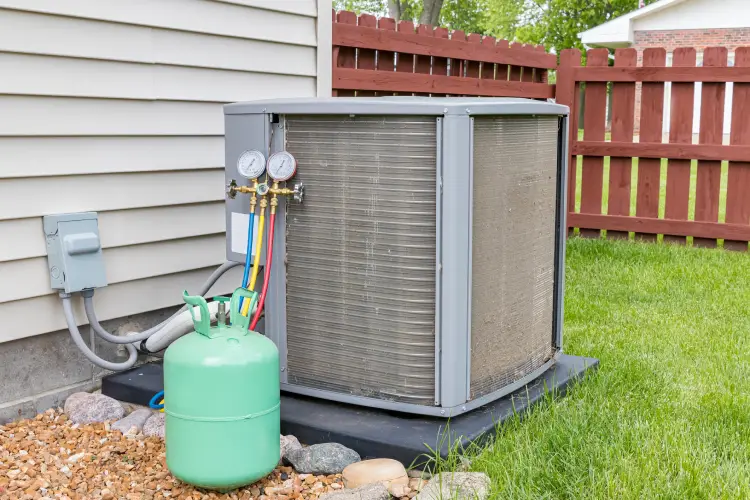
An HVAC system change out becomes essential when repairs no longer resolve persistent issues. Frequent breakdowns and costly fixes can be more expensive in the long run than investing in a new system. Additionally, outdated systems might not meet current efficiency standards, leading to higher utility bills and a larger environmental footprint. Upgrading ensures better performance and compliance with modern regulations.
Signs Indicating Major HVAC Issues
If you’re experiencing frequent cycling on and off, it could signal that the system is struggling to maintain your desired temperature. Unusual noises like banging or clanking often point to mechanical failures. Moreover, rooms that are either too hot or too cold suggest that your system can’t distribute air evenly anymore. In these scenarios, evaluating whether an HVAC system change out is necessary is prudent.
Steps to Diagnose HVAC Problems
Determining the root cause of HVAC issues involves several steps:
- Check thermostat settings for accuracy.
- Inspect filters and vents for blockages.
- Listen for unusual noises indicating mechanical problems.
- Note any unexpected rises in energy bills.
By following this process, you can identify whether minor adjustments or major interventions are required.
Benefits of Upgrading Your HVAC System
Opting for a new HVAC system brings numerous benefits. Modern units operate more efficiently, reducing energy consumption and costs. They provide enhanced comfort by maintaining consistent temperatures across all rooms. Upgraded systems also come equipped with advanced technology, allowing for better control and monitoring through smart thermostats. These features contribute to a more comfortable and cost-effective home environment.
Understanding Cost Factors
The decision to replace your HVAC system should consider various cost factors. Initial installation costs can be high but often result in savings over time due to improved efficiency. Look for energy rebates from manufacturers or government programs to offset expenses. When evaluating costs, factor in potential increases in property value and long-term savings on energy bills.
Expert Tips for Maintaining Your New System
Proper maintenance of your newly installed HVAC system is key to its longevity and efficiency:
- Schedule regular professional inspections and tune-ups.
- Change air filters every 1-3 months based on usage.
- Keep outdoor units clear of debris and obstructions.
- Use programmable thermostats to optimize energy use.
Following these tips can help ensure your system runs smoothly for years.
Your Partner in HVAC Solutions
Ensuring your home’s comfort begins with a reliable HVAC system. At True Knowledge HVAC Services, we specialize in comprehensive solutions tailored to your needs. Our team, based in Baltimore, MD, offers unmatched expertise to guide you through each step-from diagnosis to installation. Call (443) 695-8552 today to discuss how we can enhance your home’s climate control systems efficiently and effectively.